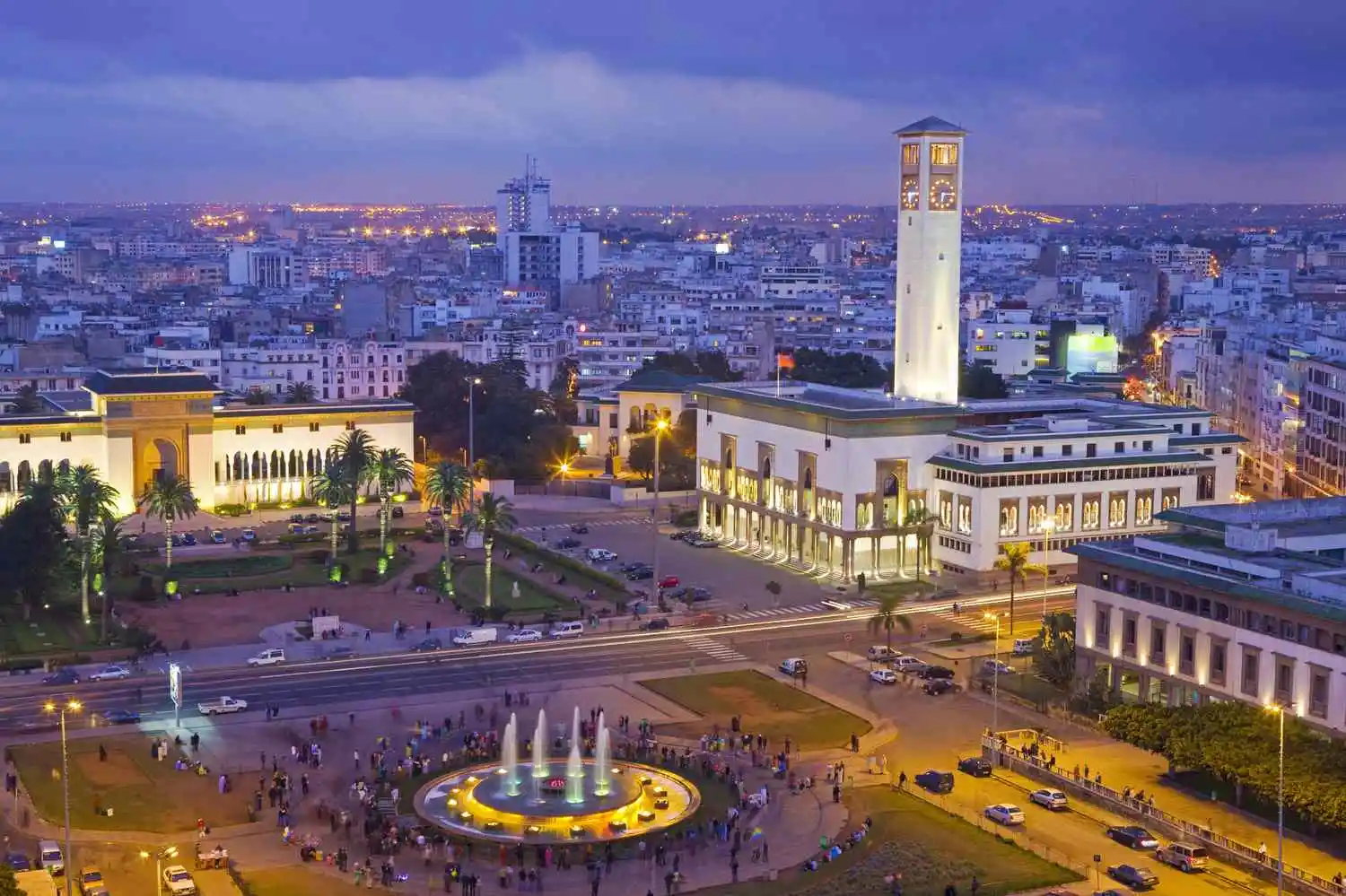
General information about Casablanca
Casablanca, the vibrant metropolis of Morocco, offers a captivating blend of historical landmarks that showcase the city's rich heritage. One of the iconic sites that visitors should not miss is the magnificent Hassan II Mosque. Standing as a testament to both faith and architectural brilliance, this mosque is adorned with intricate details and boasts breathtaking ocean views. Another notable historical monument is the Old Medina, where narrow alleys wind their way through bustling markets, allowing travelers to immerse themselves in the city's authentic charm. The Casablanca Cathedral, a remnant of the colonial era, stands as an architectural gem with its neo-Gothic design and stained glass windows. For those seeking a glimpse into the city's judicial past, a visit to the Mahkama du Pacha, a beautifully restored courthouse, offers a captivating experience. As you explore its ornate interiors, you'll be transported to a bygone era of grandeur. These historical landmarks, along with others like Villa des Arts, Mohammed V Square, and the picturesque Corniche, contribute to Casablanca's allure, inviting visitors to delve into its intriguing past while embracing its vibrant present.
There are a few interesting attractions to discover in the city itself, with almost everything revolving around films and film productions. However, also close to Ouarzazate are real highlights to discover, such as the world-famous UNESCO World Heritage Site Ait-Ben-Haddou. Here are the best things to do when you visit Ouarzazate:
Hassan II Mosque
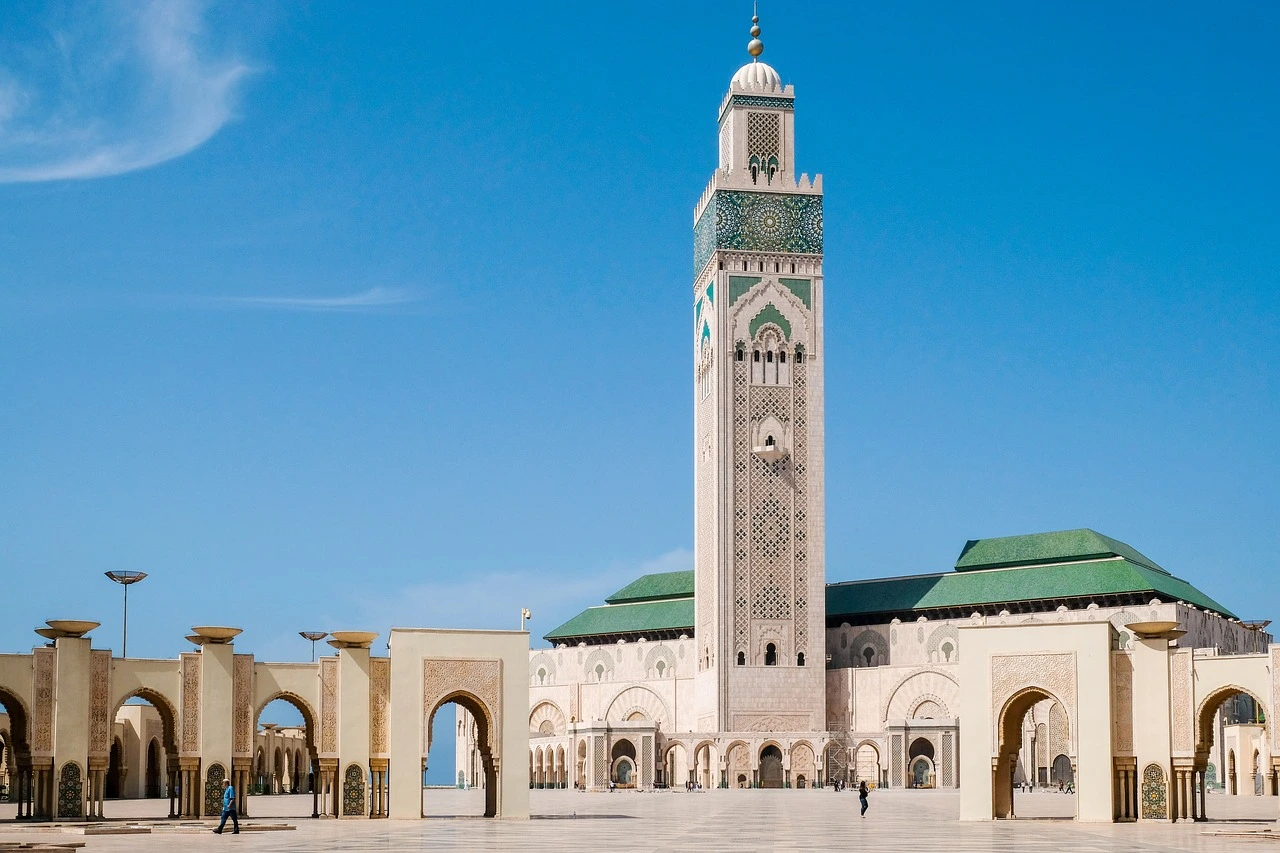
This magnificent mosque is not only a place of worship but also an architectural masterpiece. It is one of the largest and most beautiful mosques in the world. Admire its meticulous design, exquisite details, and impressive waterfront location. A guided tour will allow you to explore the grand prayer hall, stunning tiles, and breathtaking views.
This opulent mosque, built at enormous expense, is set on an outcrop jutting over the ocean with a 210m-tall minaret that's a city landmark. It's a showcase of the finest Moroccan artisanship: hand-carved stone and wood, intricate marble flooring and inlay, gilded cedar ceilings and exquisite zellige (geometric mosaic tilework) abound. It's one of two Moroccan mosques open to non-Muslims; multilanguage guided tours are conducted outside prayer times for modestly clad visitors. There’s also a small museum showcasing the craftwork involved.
One of the largest mosques in Africa, it can hold 105,000 worshippers – 25,000 inside, the rest on the outside courtyards. Built and partially funded by King Hassan II (the remaining funds were gathered through a somewhat controversial public subscription process), the mosque complex was designed by French architect Michel Pinseau, took six years to build and was completed in 1993.
Old Medina
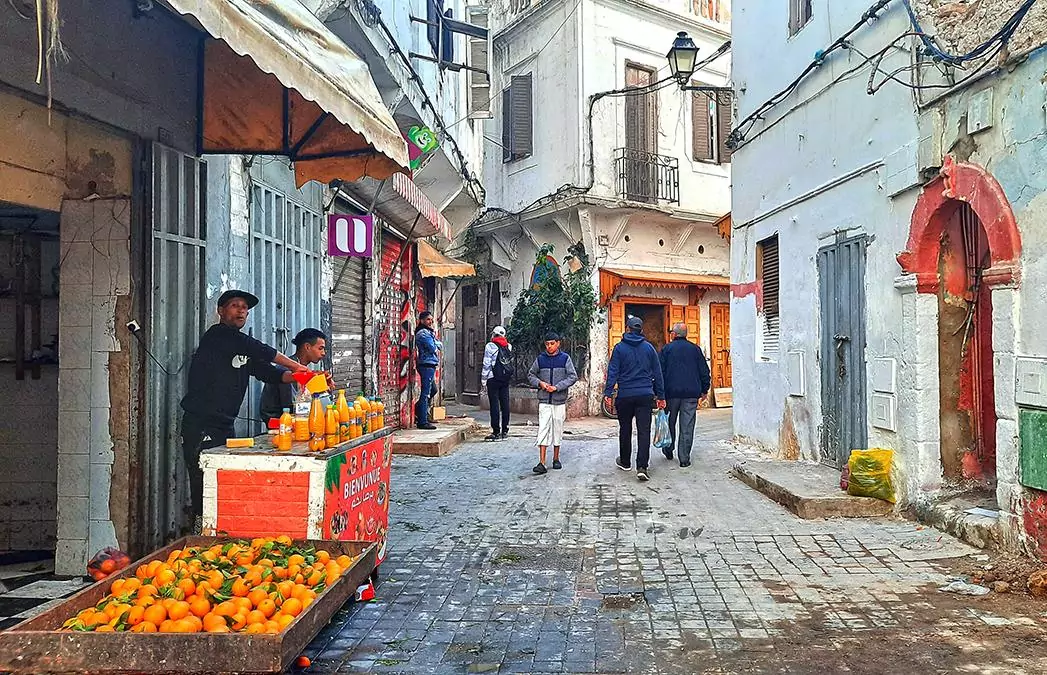
Immerse yourself in the past as you wander through the narrow, winding alleys of Casablanca's Old Medina. Although smaller than other medinas in Morocco, it retains its authentic charm and offers a glimpse into traditional Moroccan life. Explore bustling markets, discover local craftsmanship, and savor the flavors of traditional cuisine. While the 18th century Medina of Casablanca is far eclipsed by its counterparts across the country, it is by no means a skippable attraction. In contrary to other Medinas in Morocco, the city’s historic district is devoid of any tourist-oriented sites and facilities. In fact, foreign visitors, especially the camera-armed ones, are greeted with a great deal of suspicion. This unwelcoming attitude should not deter you from going there, but rather be taken into account upon visit. Therefore, asking people for a permission before taking photos of them or their property is highly recommended.
Villa des Arts
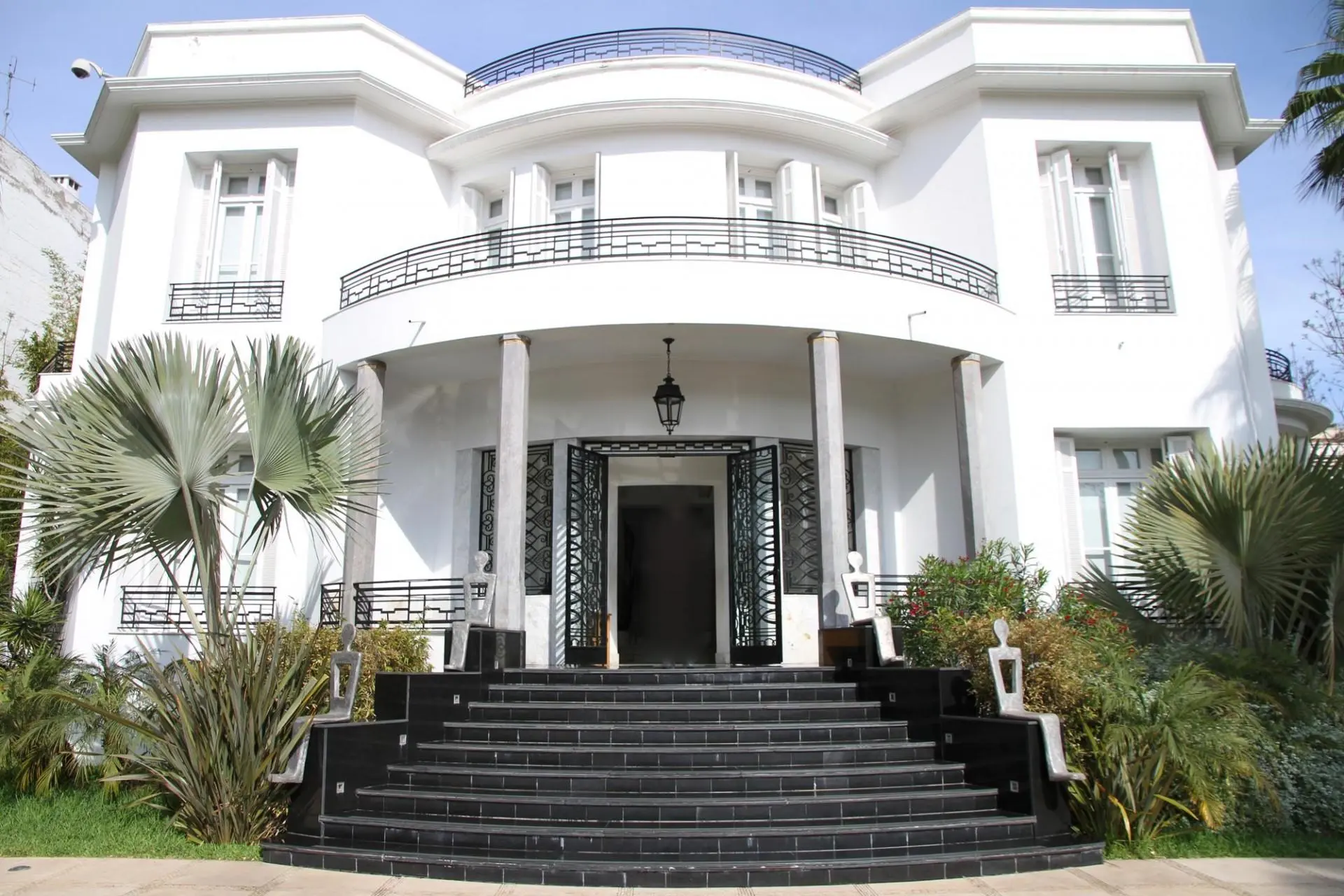
Villa des Arts, located in Casablanca, is a cultural institution and art gallery that celebrates the vibrant arts scene in Morocco. Housed in a beautifully restored Art Deco villa, the museum showcases a diverse range of contemporary Moroccan and international artworks. The Villa des Arts offers a unique space for art enthusiasts to explore and appreciate various forms of artistic expression. Its spacious galleries feature rotating exhibitions that encompass a wide range of mediums, including painting, sculpture, photography, and multimedia installations. Visitors can expect to encounter thought-provoking and visually stunning artworks that reflect the dynamic nature of the contemporary art scene. The museum's collection includes works by renowned Moroccan artists as well as emerging talents, providing a platform for local creatives to showcase their artistry. The exhibitions often explore themes related to Moroccan culture, history, identity, and social issues, offering visitors a deeper understanding of the country's artistic landscape. Beyond the galleries, the Villa des Arts also hosts cultural events, workshops, and educational programs aimed at engaging the local community and fostering a love for the arts. These activities encourage dialogue, creativity, and artistic exploration among visitors of all ages. The villa itself is an architectural gem, characterized by its Art Deco design and meticulously preserved features. The building's elegant façade, ornate details, and spacious interior create a captivating ambiance that enhances the overall art viewing experience. Located in the heart of Casablanca, the Villa des Arts provides a welcome respite from the city's hustle and bustle. Its tranquil gardens and outdoor terrace offer a serene environment where visitors can relax and reflect on the art they have encountered. Whether you are an art enthusiast or simply curious about the creative expressions of Morocco and beyond, a visit to Villa des Arts in Casablanca promises an enriching cultural experience. It serves as a testament to the thriving contemporary art scene in Morocco and the important role that art plays in shaping and reflecting society.
Cathédrale de Casablanca (Sacré-Cœur)
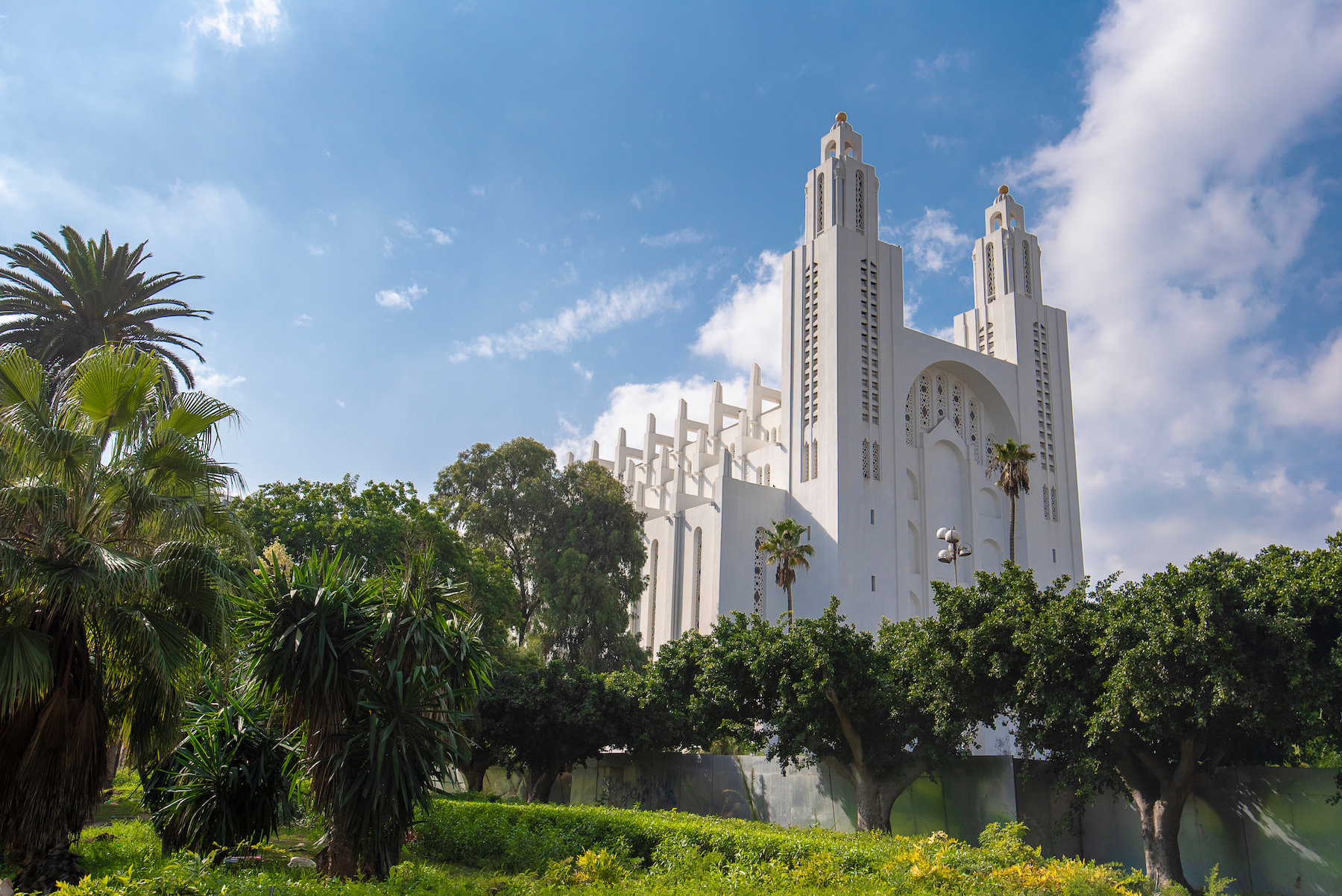
The Cathédrale de Casablanca, also known as Sacré-Cœur, is a magnificent architectural gem located in the heart of Casablanca, Morocco. This imposing cathedral stands as a testament to the city's rich history and the influence of French colonial architecture in the region. Constructed in the early 20th century, the Cathédrale de Casablanca showcases a blend of neo-Gothic and Art Deco architectural styles. Its striking façade features intricate stone carvings, towering spires, and stained glass windows that add to its grandeur and beauty. Although no longer an active place of worship, the cathedral's historic significance and architectural allure continue to captivate visitors. The interior of the cathedral, with its high vaulted ceilings, intricate arches, and ornate detailing, offers a glimpse into its past splendor. Today, the Cathédrale de Casablanca serves as a cultural space that occasionally hosts art exhibitions, musical performances, and cultural events. Its spacious interior provides a unique setting for these gatherings, evoking a sense of reverence and tranquility. The cathedral's central location makes it easily accessible for visitors to explore. Its proximity to other iconic landmarks, such as the Hassan II Mosque and the Casablanca Medina, allows for a captivating architectural and cultural tour of the city. The Cathédrale de Casablanca stands as a symbol of Casablanca's diverse cultural heritage and serves as a reminder of the city's colonial past. Whether admired from its exterior or explored within, this architectural marvel leaves a lasting impression on those who have the opportunity to witness its grandeur.
"Mahkama du Pacha"
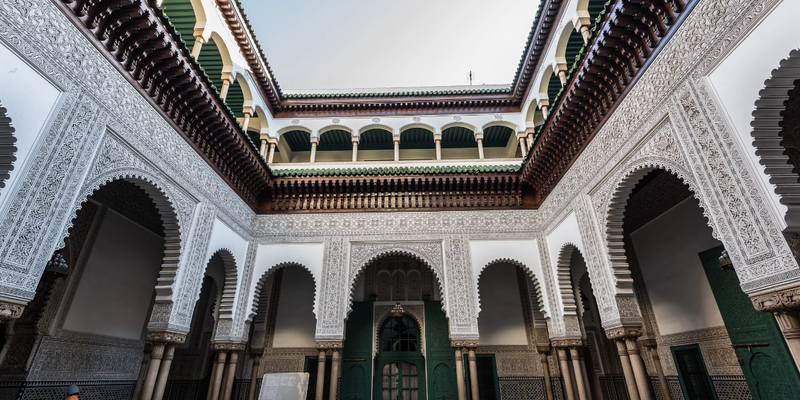
The Mahkama du Pacha, located in Casablanca, is a remarkable architectural gem that serves as the historic courthouse and administrative building of the city. Also known as the Pacha's Court, it stands as a testament to Morocco's rich cultural heritage and traditional craftsmanship. Constructed in the early 20th century, the Mahkama du Pacha showcases stunning Moorish and Moroccan architectural styles. The building's exterior is adorned with intricate geometric patterns, ornate woodwork, and colorful tilework, reflecting the country's rich decorative traditions. As you enter the Mahkama du Pacha, you are greeted by a grand courtyard featuring a central fountain and surrounded by intricately carved wooden screens. The interior of the building is equally impressive, with each room exuding a sense of opulence and splendor. Elaborate zellij tilework, hand-carved plasterwork, and exquisite wood paneling adorn the walls and ceilings, creating a captivating ambiance. The Mahkama du Pacha was historically used as a court of law, where judgments were passed and disputes were resolved. The building's main courtroom, adorned with its ornate carved ceiling and intricate chandeliers, remains a centerpiece of the complex. Today, it is primarily a tourist attraction, allowing visitors to appreciate the architectural beauty and historical significance of the building. Guided tours of the Mahkama du Pacha offer a glimpse into Morocco's legal and administrative systems, as well as the opportunity to marvel at the intricate craftsmanship and stunning architectural details. The building provides a rich backdrop for learning about Moroccan culture, art, and history. Located in the heart of Casablanca, the Mahkama du Pacha stands as a remarkable symbol of the city's cultural heritage and architectural prowess. Its blend of Moorish and Moroccan design elements creates an awe-inspiring experience for visitors, transporting them to a bygone era of grandeur and elegance.
"Place Mohammed V"
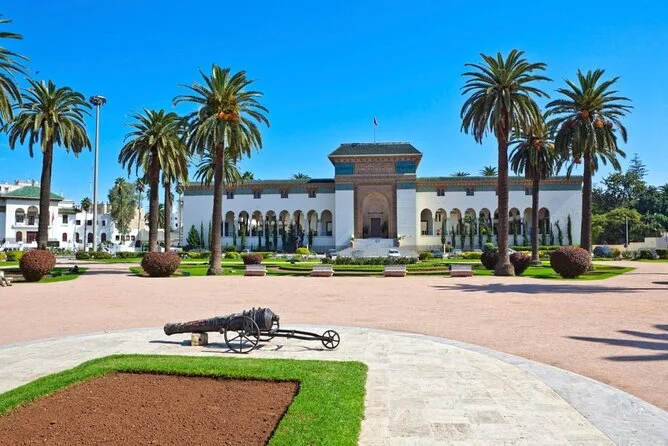
Place Mohammed V, located in the heart of Casablanca, is a bustling square that serves as a vibrant hub of activity and a significant landmark in the city. Named after King Mohammed V, the square is a testament to Morocco's modern history and its commitment to progress. The square's design reflects a harmonious blend of Moroccan and French architectural influences. It features a central fountain surrounded by meticulously manicured gardens, offering a serene and picturesque setting. The open space and tree-lined pathways provide a pleasant area for locals and visitors to relax, stroll, and enjoy the vibrant atmosphere. Flanking the square are several important buildings that add to its grandeur. The Wilaya (Governor's Office), a striking example of Moorish architecture, stands tall with its elegant arches and intricate detailing. The historic courthouse, known as the Palais de Justice, showcases an impressive façade and stands as a symbol of the city's legal system. Place Mohammed V is not only a visually appealing square but also a bustling center of commerce and activity. The surrounding streets are lined with shops, cafes, and restaurants, making it a popular destination for locals and tourists alike. It is a vibrant place where people gather to socialize, shop, and experience the pulse of the city. The square also serves as a venue for cultural events, concerts, and public gatherings. During national celebrations and holidays, the square comes alive with festivities and performances that showcase Moroccan traditions and cultural heritage. Visiting Place Mohammed V provides a glimpse into the lively spirit and modern development of Casablanca. Whether it's enjoying a leisurely stroll, admiring the architectural landmarks, or immersing oneself in the vibrant atmosphere, the square offers a captivating experience that captures the essence of Morocco's economic and cultural capital.