General information about Rabat
Rabat, the capital city of Morocco, is a vibrant and historic metropolis that offers a blend of rich culture, fascinating history, and modern amenities. Here's some general information about Rabat: Geography and Location: Rabat is located on the Atlantic coast of northwestern Morocco, at the mouth of the Bouregreg River. It is situated about 87 kilometers (54 miles) northeast of Casablanca. Historical Significance: Rabat has a long and diverse history that dates back to Roman times. Over the centuries, it has been influenced by various civilizations, including the Phoenicians, Romans, Almohads, and French. The city's historic sites, such as the Kasbah of the Udayas and the Hassan Tower, showcase its architectural and cultural heritage. Modern Capital: As the capital of Morocco, Rabat serves as the political and administrative center of the country. It houses the royal palace, government institutions, foreign embassies, and international organizations. The city's modern infrastructure, including well-planned boulevards, public parks, and residential areas, reflects its status as a capital city. Cultural and Educational Hub: Rabat is known for its cultural and intellectual vibrancy. The city is home to numerous museums, art galleries, theaters, and educational institutions. The Mohammed V University, established in 1957, is one of the country's leading universities and attracts students from across Morocco and beyond. Coastal Charm: Rabat's coastal location offers a refreshing escape. The city has beautiful beaches, such as the popular Plage de Rabat and Plage des Nations, where locals and visitors can relax, swim, and enjoy water sports. The Bouregreg River estuary, with its picturesque views and marina, adds to the city's coastal allure. Medina and Modern Districts: The medina of Rabat, with its winding alleys, traditional markets, and historical sites, provides a glimpse into the city's past. The modern districts, such as Agdal and Hay Riad, offer a contemporary atmosphere with upscale shops, restaurants, and residential areas. Cultural Festivals: Rabat hosts various cultural festivals throughout the year, attracting artists, musicians, and performers from Morocco and around the world. The Mawazine Festival, held annually, is one of the largest music festivals in Africa and features a diverse range of musical genres. Rabat is a city that seamlessly blends its historical heritage with modern development. Its architectural wonders, cultural offerings, and coastal charm make it an intriguing destination for travelers looking to explore Morocco's capital city.
Hassan Tower
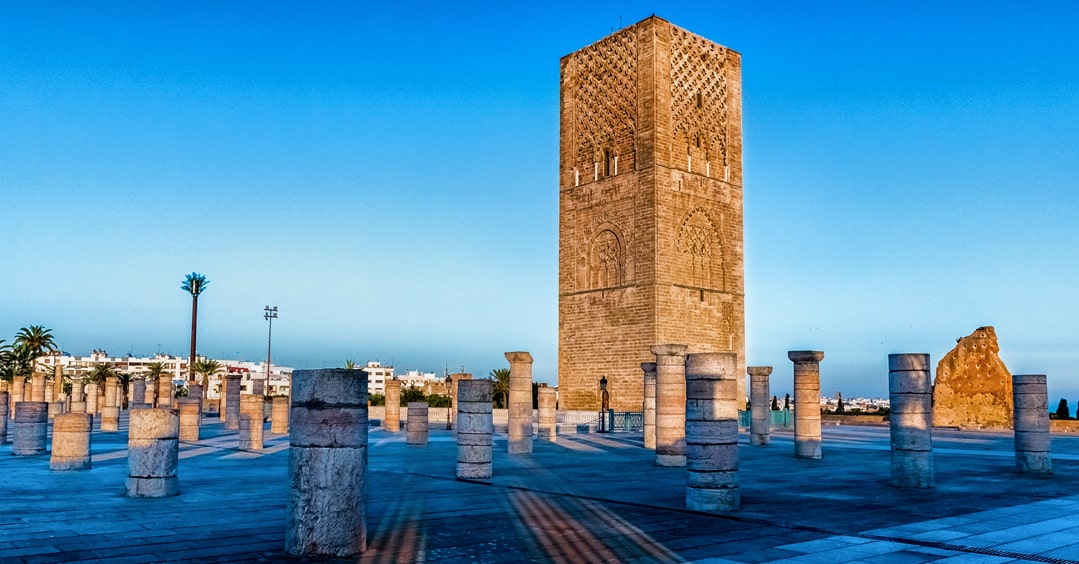
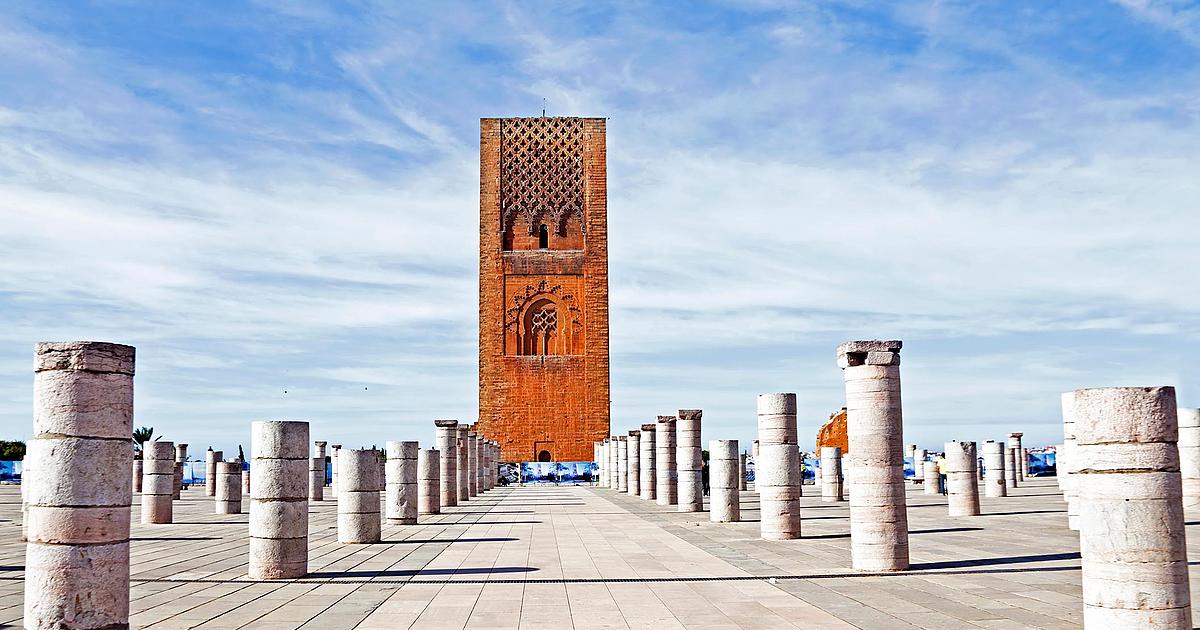
The Hassan Tower, also known as Tour Hassan, is an iconic landmark and a symbol of Rabat's rich history and architectural grandeur. Standing proudly near the Bouregreg River, this incomplete minaret is a testament to the ambitious plans of Sultan Yacoub al-Mansour, who envisioned building the largest mosque in the world during the 12th century. The Hassan Tower was intended to be the minaret of the grand mosque, but construction came to a halt after the Sultan's death in 1199, leaving it unfinished. Despite its incomplete state, the tower still stands at an impressive height of approximately 44 meters (144 feet), showcasing the intricate decorative details and geometric patterns characteristic of Moroccan Almohad architecture. Adjacent to the tower lies the remains of the massive mosque complex that was intended to be built. The site now serves as an open esplanade known as the Bouregreg Esplanade, providing a picturesque setting for visitors to explore the ruins and appreciate the scale of the original architectural vision. The Hassan Tower holds a significant place in Moroccan history and is a major tourist attraction in Rabat. Visitors can climb the tower and enjoy panoramic views of the city and the nearby mausoleum of King Mohammed V. The surrounding area is beautifully landscaped, with gardens and pathways that create a serene atmosphere for leisurely strolls and contemplation. The Hassan Tower represents the architectural prowess and the ambitious vision of the Almohad dynasty, leaving a lasting impression on all who visit. Its commanding presence, combined with its historical significance, makes it a must-visit site for those interested in Moroccan history, culture, and architecture..
Mausoleum of Mohammed V
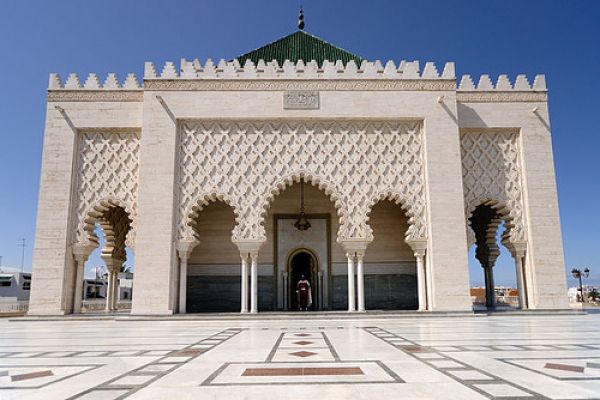
The Mausoleum of Mohammed V, located in Rabat, is a magnificent tribute to one of Morocco's most revered leaders. This grand mausoleum was constructed to honor King Mohammed V, who played a significant role in the country's struggle for independence and the subsequent establishment of modern Morocco. The mausoleum, completed in 1971, showcases exquisite Moroccan craftsmanship and architectural elegance. Its white marble exterior is adorned with intricate detailing, reflecting the traditional Moroccan zellij tilework and calligraphic designs. The towering minaret and green tiled roof add a touch of regal splendor to the structure. Inside the mausoleum, visitors are greeted by a breathtaking sight. The ornate prayer hall, with its stunning chandeliers, polished marble floors, and intricately carved woodwork, exudes a sense of grandeur and reverence. The tomb of King Mohammed V, adorned with a green silk cover and surrounded by a beautifully crafted metalwork screen, stands as the focal point of the mausoleum. The mausoleum also houses the tombs of King Hassan II, Mohammed V's son and successor, and Prince Moulay Abdallah, Hassan II's brother. The serene atmosphere and respectful ambiance within the mausoleum provide a space for contemplation and remembrance of these esteemed Moroccan leaders. Visiting the Mausoleum of Mohammed V offers a profound insight into Morocco's history and the legacy of its monarchs. It serves as a poignant reminder of the nation's journey towards independence and the enduring contributions made by its leaders. The mausoleum stands not only as an architectural masterpiece but also as a symbol of deep respect and admiration for the monarchy and the values it represents to the Moroccan people.
Kasbah of the Udayas
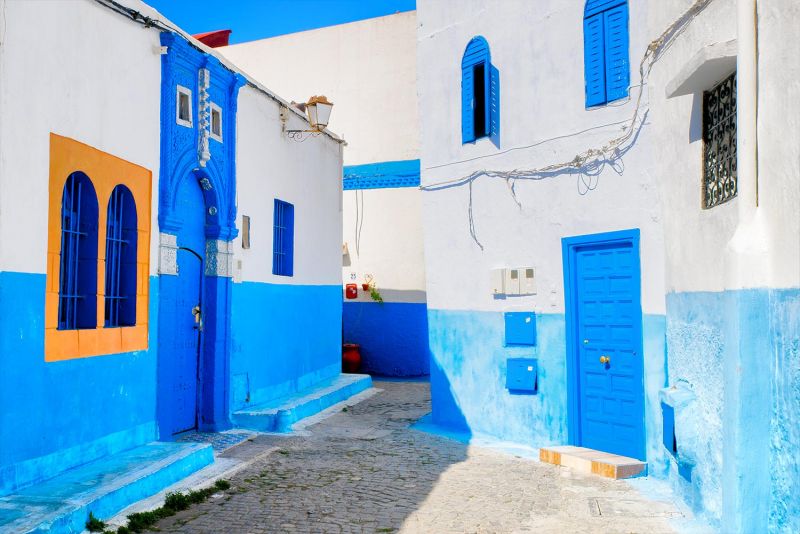
The Kasbah of the Udayas, situated in Rabat, is a historic fortress and residential area that transports visitors back in time with its charming narrow streets, whitewashed houses, and panoramic views of the Bouregreg River and the Atlantic Ocean. Dating back to the 12th century, the Kasbah of the Udayas is a UNESCO World Heritage Site that showcases the architectural heritage of the Almohad dynasty. As you enter the kasbah through its massive gates, you are greeted by a maze of picturesque alleys lined with blue and white buildings adorned with vibrant bougainvillea flowers. Wandering through the kasbah, you'll discover hidden gems at every turn. The Andalusian Gardens, with their lush greenery and colorful tiled fountains, offer a tranquil retreat within the bustling city. The Kasbah Museum provides insight into the history and culture of the area, featuring exhibitions on traditional Moroccan crafts and artifacts. Climbing to the top of the kasbah rewards you with breathtaking views. From the vantage point of the ancient walls, you can admire the swirling currents of the Bouregreg River, the boats gliding through the water, and the picturesque coastline. The sight of the distant Hassan Tower and the medina adds to the enchanting panorama. The Kasbah of the Udayas also has a vibrant atmosphere, with small cafés and shops dotting the streets. You can savor Moroccan delicacies, sip mint tea, or browse for unique handicrafts and souvenirs, including traditional rugs, pottery, and leather goods. Visiting the Kasbah of the Udayas offers a journey into Rabat's past and allows you to immerse yourself in the charm of a bygone era. The blend of history, architecture, stunning views, and a lively ambiance makes it a must-see destination for travelers seeking to experience the cultural richness and architectural beauty of Morocco..
Chellah Necropolis
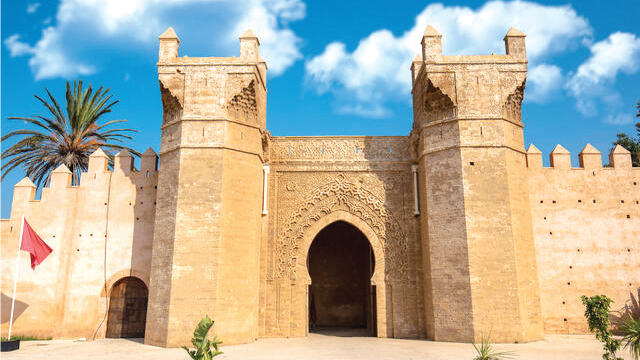
The Chellah Necropolis, located in Rabat, is an ancient archaeological site that carries a profound sense of history and spirituality. This hauntingly beautiful complex is a testament to the layers of civilizations that have inhabited the region over the centuries. Originally a Roman city known as Sala Colonia, the Chellah Necropolis later became an important necropolis during the Merinid dynasty in the 13th century. Today, the site encompasses both Roman ruins and Islamic structures, blending the architectural styles of different eras. As you enter the Chellah Necropolis, you are greeted by crumbling Roman walls and remnants of ancient buildings. The ruins include a forum, a basilica, and intricate mosaics that offer glimpses into the grandeur of the Roman city that once stood here. Beyond the Roman remains, the necropolis also houses a complex of Islamic structures, including the stunning minaret of the Bou Inania Madrasa and the tomb of the revered Muslim scholar and mystic, Sidi Mohammed ben Abdallah al-Ghazwani. The minaret stands as a magnificent example of Moroccan architecture, adorned with intricate geometric patterns and calligraphy. The Chellah Necropolis is not only a place of historical significance but also a haven of natural beauty. The site is surrounded by lush gardens, tranquil ponds, and towering cypress trees. This serene setting adds to the contemplative atmosphere and offers a respite from the bustling city. Exploring the Chellah Necropolis allows visitors to delve into the layers of history and experience the spiritual ambiance of the site. The blend of Roman and Islamic architecture, the tranquil surroundings, and the sense of connection to the past make it a captivating destination for those seeking a deeper understanding of Morocco's rich cultural heritage.
Dar al-Makhzen (Royal Palace)
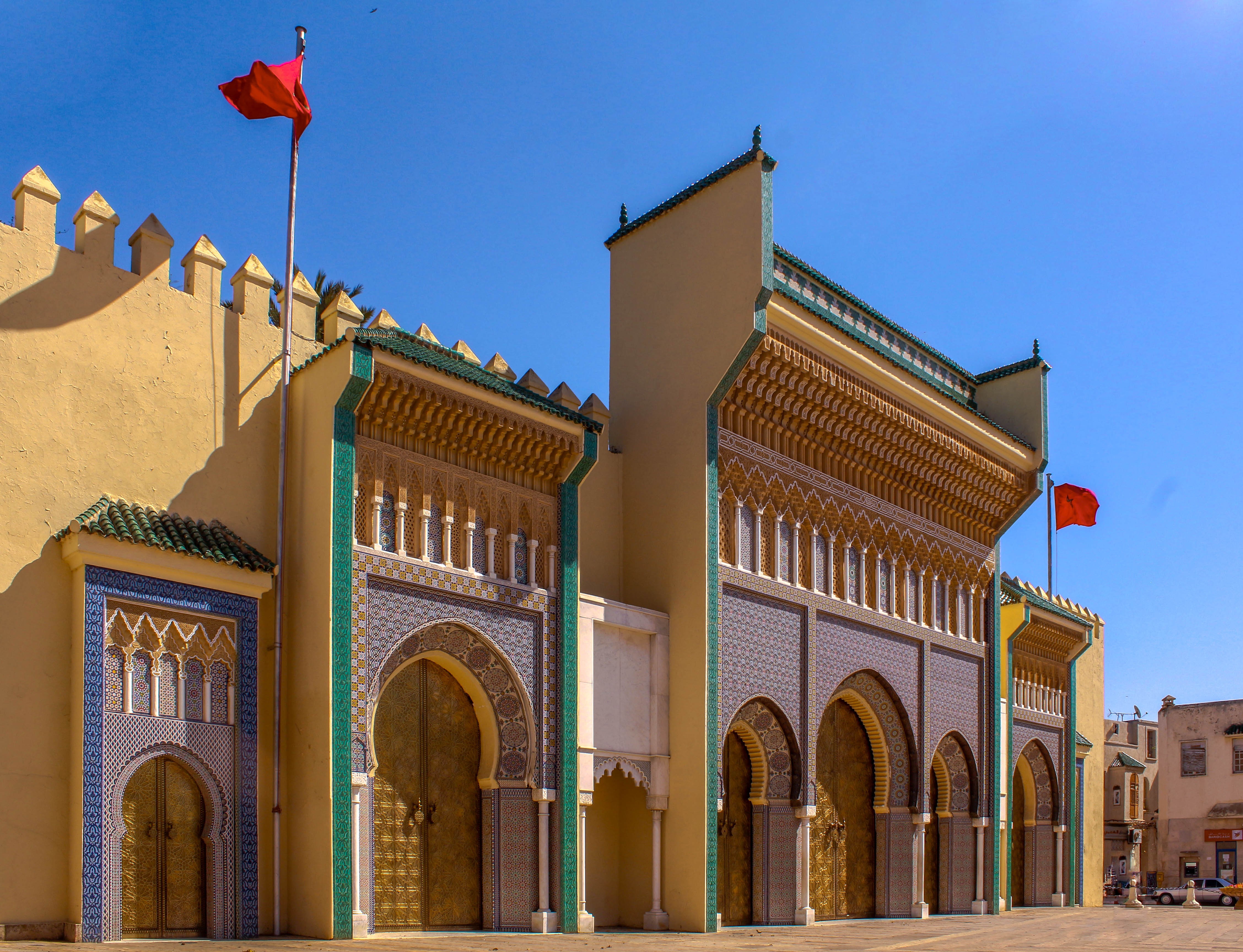
Dar al-Makhzen, also known as the Royal Palace, is a majestic and grand residence located in Rabat. Serving as the official residence of the King of Morocco, it is a symbol of the country's monarchy and political power. The palace is an architectural marvel, blending traditional Moroccan design elements with modern touches. Its intricate gates, ornate façade, and beautifully landscaped gardens make it an impressive sight to behold. While the palace is not open to the public, visitors can still appreciate its grandeur from the outside and witness the ceremonial Changing of the Guard that takes place at the main gate. The Royal Palace stands as a testament to the rich history and enduring monarchy of Morocco, adding to the allure and prestige of Rabat as the country's capital.
Andalusian Gardens
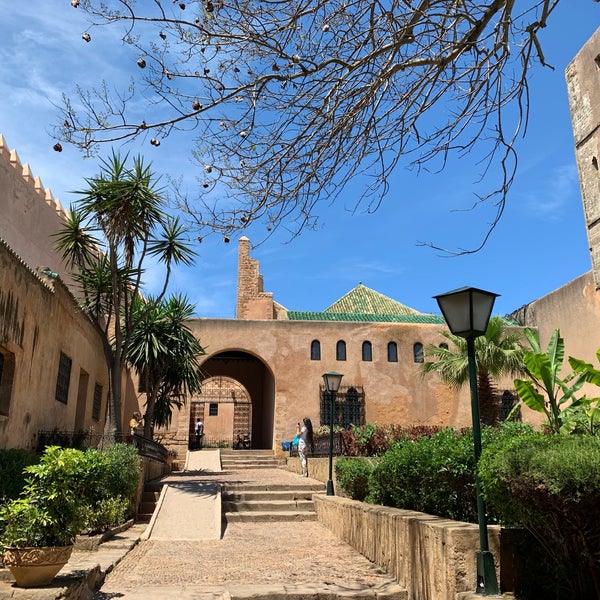
The Andalusian Gardens, situated in the heart of Rabat, offer a serene and enchanting escape from the bustling city streets. Inspired by the lush gardens of Andalusia, these beautifully landscaped gardens boast an array of vibrant flowers, towering palm trees, and meticulously manicured pathways. The soothing sound of fountains adds to the tranquil ambiance, creating a peaceful oasis for relaxation and contemplation. The gardens provide a perfect setting for a leisurely stroll, a picnic, or simply finding a quiet spot to enjoy the natural beauty. With its meticulously maintained greenery and colorful blooms, the Andalusian Gardens capture the essence of Moroccan garden design and provide a delightful retreat in the heart of Rabat.
The Oudaias Museum
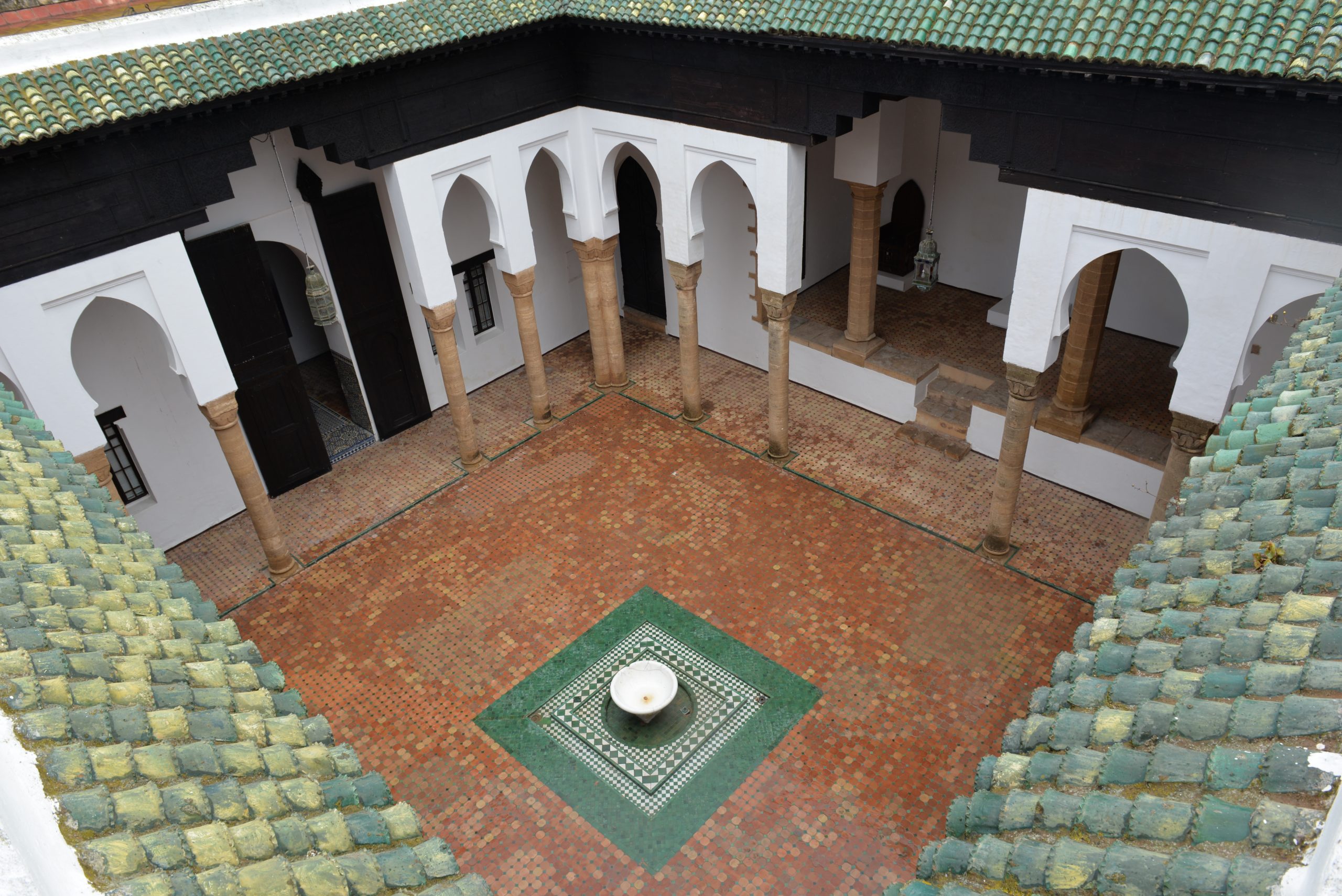
The Oudaias Museum, located in the picturesque neighborhood of the Kasbah of the Udayas in Rabat, is a small but culturally rich museum that offers insights into the history and traditions of Morocco. Housed in a traditional Moroccan residence, the museum showcases a collection of artifacts, artworks, and cultural exhibits that provide visitors with a glimpse into the country's heritage. As you step into the Oudaias Museum, you are greeted by a charming courtyard adorned with colorful tiles and fragrant orange trees. The museum's displays are spread across several rooms, each offering a different aspect of Moroccan culture. From ancient pottery and traditional clothing to intricate handicrafts and historical documents, the exhibits shed light on the diverse traditions and artistic expressions of Morocco. One of the highlights of the museum is the collection of Berber artifacts, which includes jewelry, textiles, and tools that showcase the rich cultural heritage of Morocco's indigenous Berber population. The exhibits also feature Islamic art and calligraphy, highlighting the influence of religion on Moroccan artistic expression. The museum provides informative signage and descriptions that help visitors understand the significance of the artifacts and their historical context. The intimate setting allows for a more personal and immersive experience, allowing visitors to appreciate the cultural treasures on display. After exploring the museum's exhibits, visitors can climb to the rooftop terrace, which offers breathtaking views of the Kasbah of the Udayas and the surrounding cityscape. The terrace provides a perfect spot to take in the beauty of the neighborhood and reflect on the cultural discoveries made within the museum. The Oudaias Museum serves as a window into Morocco's past, offering a deeper understanding of its diverse cultural heritage. It is a hidden gem within the charming neighborhood of the Kasbah of the Udayas and provides a rewarding experience for those seeking to delve into the rich tapestry of Moroccan history and traditions.